
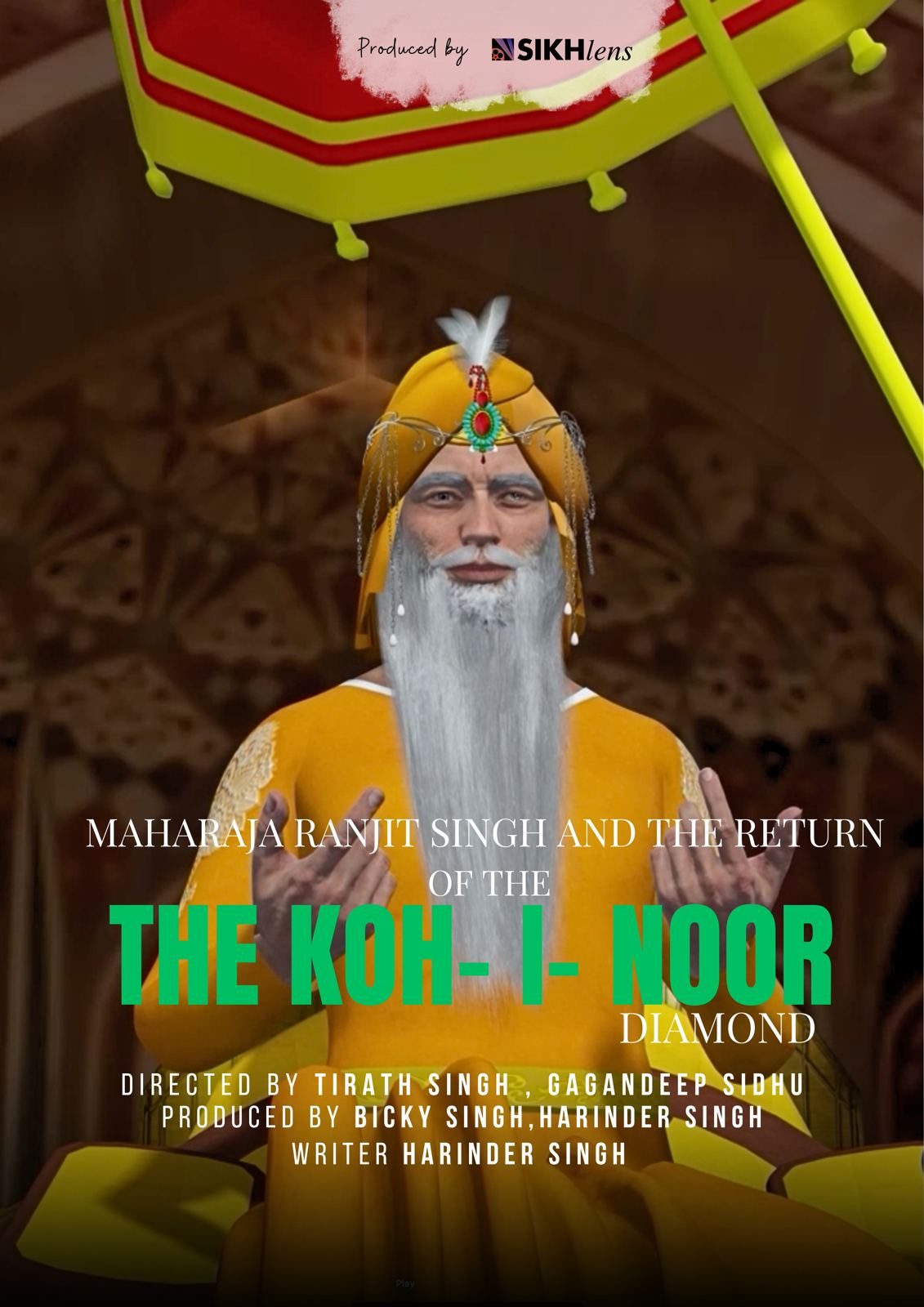
Wafa Begum's Bargain, and the Diamond That Wouldn't Stay Quiet
A historical drama: Shah Shuja is captured; Wafa Begum seeks Maharaja Ranjit Singh's aid and promises the Kohinoor. Maharaja Ranjit Singh And Return of The Koh-I-Noor Diamond (2023) turns that bargain into plot, politics, loyalty, and a stone with too much history for one throne.
Some historical dramas dress the past. This one drives it. The film opens on crisis, not costume: Shah Shuja captured, Wafa Begum forced into the only move left, ask Maharaja Ranjit Singh for aid, with the Kohinoor as the promise.
That's the engine. Sikhlens presents it as drama with names you can hold: Shah Shuja, Wafa Begum, Maharaja Ranjit Singh, the Kohinoor. No fog of "once upon an empire." A captive ruler. A consort negotiating survival. A Maharaja whose help arrives with the weight of a diamond the world still argues about.
Trailer
The promise and the price
Wafa Begum's offer isn't small talk. Promising the Kohinoor to secure aid turns private desperation into state consequence. The film sits in that tension, loyalty, leverage, and the knowledge that a stone can outlive every person who thinks they own it.
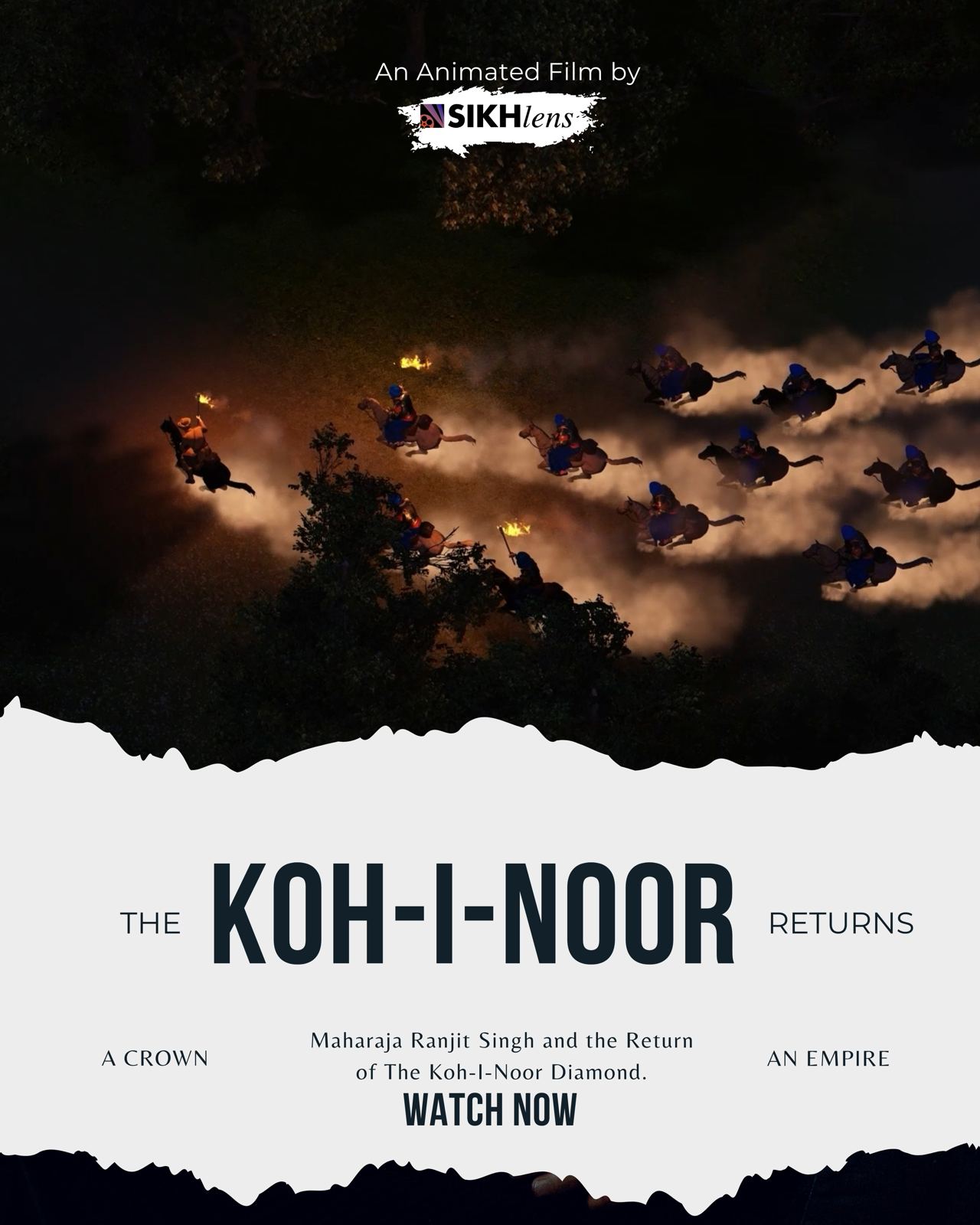
Maharaja Ranjit Singh isn't a statue here. He's a decision-maker in a live political storm. Shah Shuja's capture starts the clock. Every scene after asks what aid costs, who pays, and whether a diamond can buy safety without rewriting the map.
That clock is what keeps the piece from becoming a museum walk. Historical drama fails when it only displays. This title keeps pressure on: capture, petition, promise, consequence. The Kohinoor isn't jewelry in the frame. It's leverage, and leverage that still sparks argument long after the courtrooms empty.
Why it belongs here
Next to contemporary Sikhlens titles, this one stretches the slate: historical drama with clear stakes and named players. Sharing Sikh Stories covers the archive as well as the present tense, courts, alliances, and objects that still spark argument in living rooms.
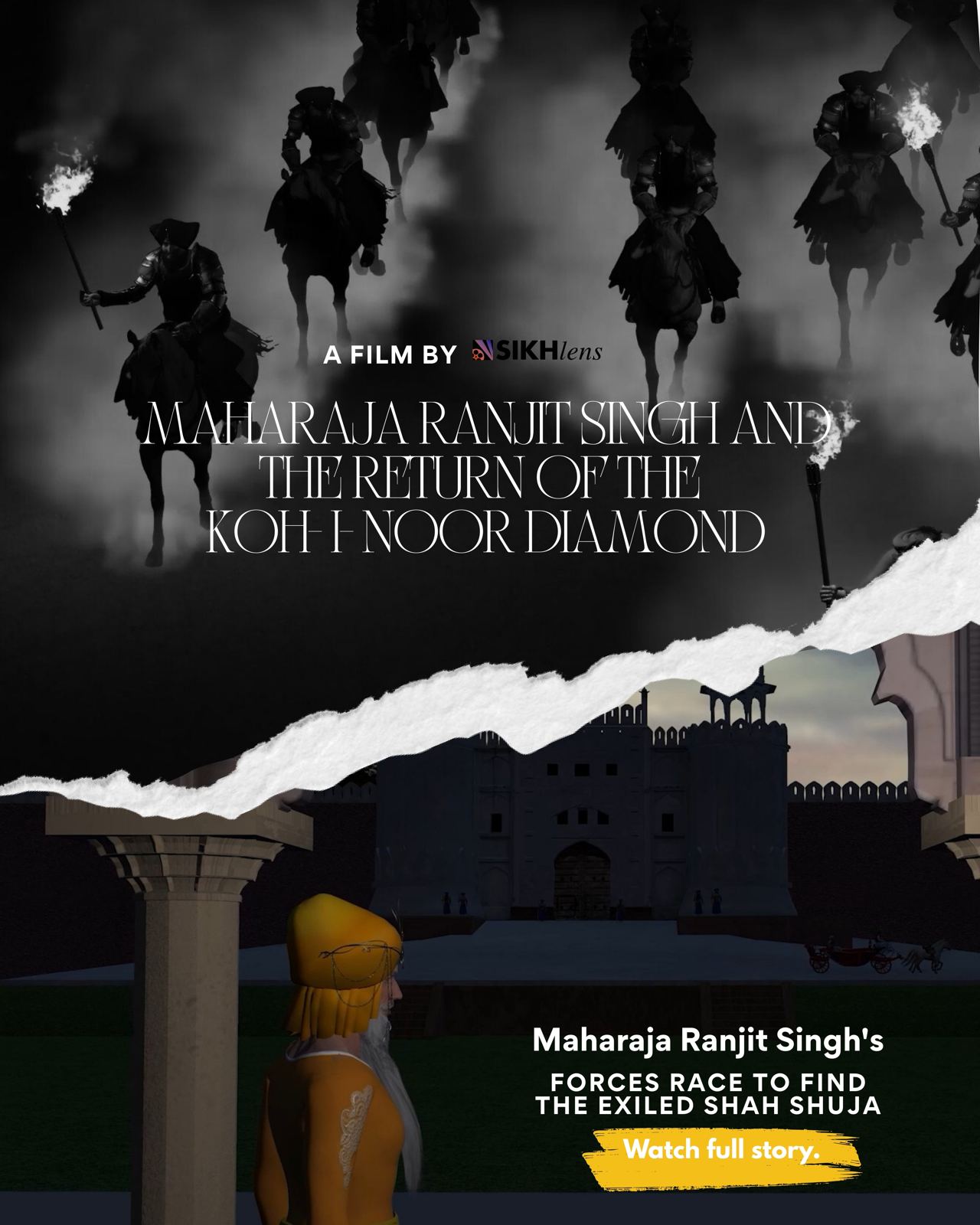
Watch it for the bargain. Stay for how the Kohinoor stops being an artifact label and becomes plot pressure, a promise heavy enough to bend every room it enters. That contrast matters. Put the athlete, the plant builders, and the organizer beside a throne-room crisis and the slate reads wider without losing specificity.
Maharaja Ranjit Singh And Return of The Koh-I-Noor Diamond also earns its length in conversation. People already have opinions about the Kohinoor. The film doesn't need to invent controversy. It needs to stage the moment Wafa Begum ties survival to that stone and Maharaja Ranjit Singh has to answer, and then let the drama do what drama does.
What you take home
Sharing Sikh Stories includes the archive under pressure. This film is that: Shah Shuja captured, Wafa Begum negotiating, Maharaja Ranjit Singh deciding, the Kohinoor as promise and problem. No second slogan. No invented glory. Just the bargain and its weight.
Bring someone who loves palace intrigue. Bring someone who only knows the diamond from headlines. The film gives both a door in, names first, stakes second, history that moves like a thriller instead of a textbook. That's the lobby pitch, and it still holds when the trailer ends.
Keep the chain of pressure intact: Shah Shuja captive, Wafa Begum at the table, Maharaja Ranjit Singh weighing aid, the Kohinoor offered as promise. Maharaja Ranjit Singh And Return of The Koh-I-Noor Diamond does not need invented glory. It needs an audience willing to sit with a diamond that refuses to stay quiet.
Watch the film