
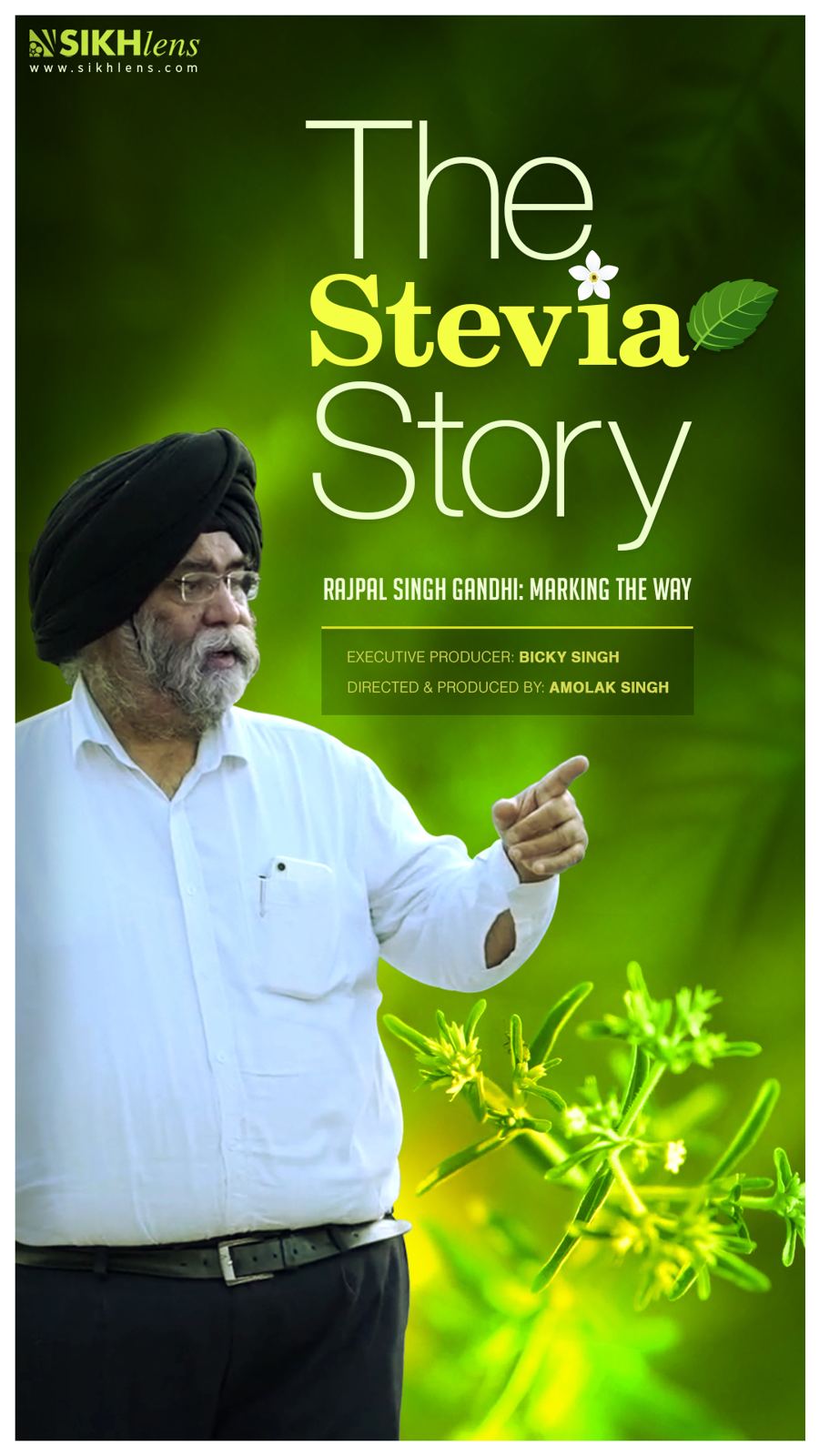
India's First Stevia Plant Didn't Arrive Politely
A Punjab family built India's first stevia processing unit, then fought to get a natural sweetener government-approved. The Stevia Story (2023) names that fight the way it felt: a Sweet Revolution.
If you've sat through an "innovation" reel that never names a person, this isn't that. The film follows a Punjab family who built India's first stevia processing unit, brick, machine, paperwork, and the long grind of convincing a system that a natural sweetener deserved official standing.
Sikhlens frames it the way filmmakers talk in a lobby: here's who did the work, here's what they built, here's what they had to push through. The camera doesn't float above the plant floor. It stays with the family, the crop, and the stakes of getting stevia government-approved in India.
Trailer
Sweet Revolution, hard miles
"Sweet Revolution" sounds soft until you watch the resistance. Approvals aren't vibes. They're meetings, standards, skepticism, and the kind of persistence that never photographs as glamorous. The family isn't cast as wellness mascots. They're operators, growers and processors, who decided the country needed a different kind of sweetness, then paid the cost of proving it.
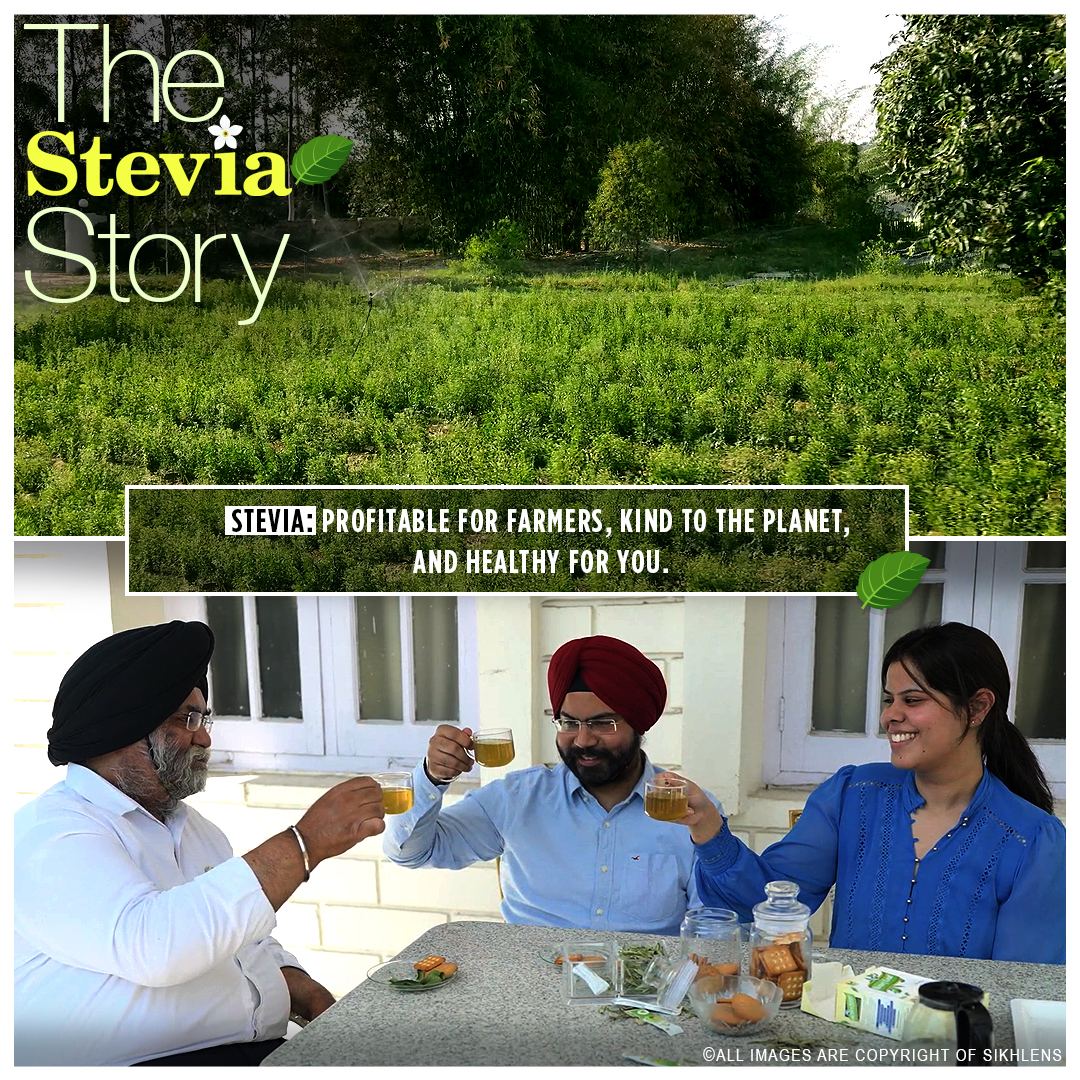
Punjab sits in the frame the way place should: land, labor, local knowledge. You feel the distance between a field idea and a processing unit that actually runs. India's first stevia plant isn't trivia here. It's the proof of concept they had to defend, not a press release, a facility that had to work while the paperwork still argued with them.
That double front is the drama. Crop and compliance. Family and bureaucracy. The Stevia Story keeps both on screen so the win, when it comes, isn't abstract. Someone had to build the unit. Someone had to keep showing up until a natural sweetener cleared government approval. The film gives those someones a name and a geography.
Why watch it now
Food stories go viral when they're cute. This one earns the time because it's specific. Named geography. Named fight. A family that didn't wait for permission to invent the category, then still had to win the permission that made the category real.
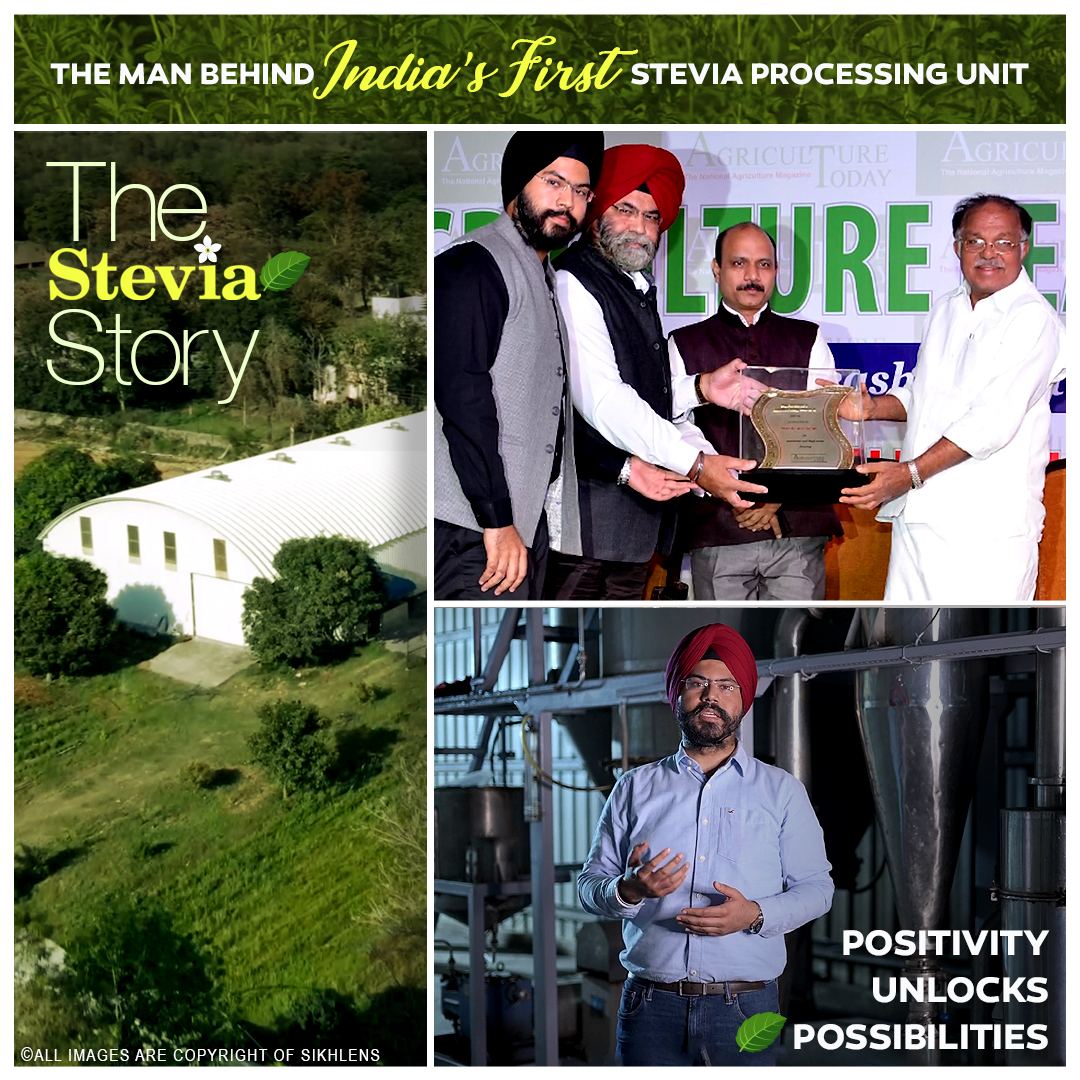
This title is the counterweight to pure drama pieces, still human, still a Sikh story, still Sharing Sikh Stories, but rooted in industry and policy instead of only memory and myth. Watch it if you care how a quiet crop becomes a national argument.
There's a quieter reason it belongs in the lobby too: it widens what "story" means on a Sikhlens wall. Not every film has to be battle or throne room. Sometimes the stakes are a processing line, a crop that doesn't fit the old sugar story, and a family willing to be first. First is lonely until it isn't. The film sits in that loneliness without turning it into a TED talk.
What Sharing Sikh Stories looks like here
Sharing Sikh Stories includes builders. The Stevia Story is proof. You leave knowing why "India's first" isn't a slogan on a package, it's a claim that had to survive both the plant floor and the approval desk.
Bring someone who works in food, farming, or policy. Bring someone who only knows stevia from a café menu. The film bridges them without sanding down the fight. That's the pitch: sweetness with resistance still visible in the frame.
After the screening, the plant-floor detail is what travels in conversation. You can point to a machine, a crop, a family that went first, and the government-approval fight stops being a headline and becomes a timeline someone lived. That is why The Stevia Story earns more than a polite nod on the wall: Sharing Sikh Stories with dirt still on the boots.
Watch the film